Coffee
Coffee Syrups That Make Every Cup Taste Better
Author:sana
|
Released:March 15, 2026
If you’ve had enough morning coffees, it becomes clear that sweetness is never just about sweetness. The right syrup can shift the entire mood of a cup, adding warmth, depth, or a touch of brightness without making the drink feel heavy-handed.
Choices tend to depend on the coffee in front of it. Sometimes something mellow and neutral fits best, sometimes caramel notes bring out more character, and sometimes a syrup leans the drink closer to dessert without overpowering it.
Why Syrup Makes Coffee Easier To Enjoy
Plain sugar can work, but it does not always dissolve well, especially in iced coffee. Syrup blends in more evenly, so the sweetness feels spread through the drink instead of sitting at the bottom of the cup.
That difference is easy to notice when you switch between hot and cold coffee. In hot coffee, syrup melts in fast; in iced coffee, it still gives you a smooth, consistent taste if you stir well.
I also like that syrups bring more than sweetness. They can add vanilla, caramel, molasses, floral notes, or a light spice, which gives a simple cup more dimension without making it taste complicated.
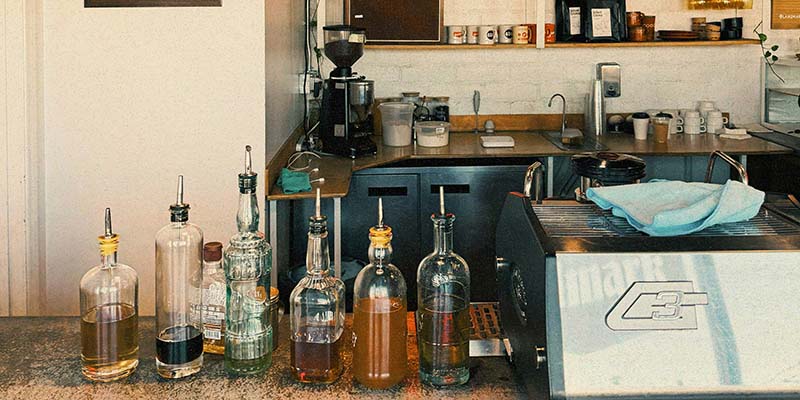
Maple Syrup
Maple syrup brings a soft, rounded sweetness that works especially well in darker coffee. It has a caramel-like feel, but it also keeps a little earthiness, so the flavor does not come off as sugary or flat.
I usually think of maple as a good fit for drip coffee, cold brew, or a latte with a bit of milk. It does not need much to make an impact, and if you overdo it, the flavor can start to dominate the cup.
It is also a nice option when you want something that tastes familiar but still a little more interesting than regular sugar. That is probably why it keeps showing up in so many coffee sweetener roundups.
Honey Syrup
Honey gives coffee a warmer, more floral sweetness. Depending on the type, it can taste delicate or rich, which makes it flexible enough for both light and dark roasts.
I like honey most when I want the coffee to feel softer rather than more dramatic. It blends especially well in a hot drink, but it can also work in iced coffee if you dissolve it first or use a honey syrup instead of straight honey.
One reason honey is so useful is that it does not just add sweetness; it adds a little personality. A cup with honey tastes more rounded to me, almost like the edges of the bitterness have been smoothed out.
Vanilla Syrup
Vanilla syrup is the easiest way to make coffee feel polished. It does not shout for attention, but it gives the drink a creamy aroma that makes the whole cup feel more finished.
It tends to work best when the coffee itself is clean and bright, adding warmth without burying the roast. It is also one of the most forgiving syrups, which is why it works in plain drip coffee, lattes, iced coffee, and even cold brew.
If I want a coffee shop kind of flavor at home, vanilla is often where the cup starts. It is simple, familiar, and hard to get wrong as long as you do not pour in too much.
Brown Sugar Syrup
Brown sugar syrup brings a deeper, more caramel-like sweetness than plain sugar. It has that molasses edge that makes coffee taste a little richer and a little fuller.
This is one of my favorite choices for milk-based drinks. In a latte or an iced coffee with milk, brown sugar syrup creates a cozy, dessert-like flavor without making the drink taste overly sweet.
It also works well when the coffee is a little bolder or more bitter than usual. Instead of just sweetening the cup, it fills in some of the sharper edges and gives the drink a smoother finish.
Date Syrup
Date syrup is less common, but it deserves more attention. It has a dark, rich sweetness that leans toward caramel and dried fruit, which makes it a strong match for strong coffee and cold brew.
I think of date syrup as a good option when I want sweetness with a little more depth. It does not taste exactly like maple or honey, so it adds variety without feeling artificial or overly familiar.
Some guides describe it as nutrient-rich and more substantial in flavor than lighter syrups, and that matches my own experience pretty well. It gives coffee a fuller, almost autumnal character that works nicely in smaller doses.
Agave Syrup
Agave is the most neutral of the group, which is exactly why it can be useful. It sweetens coffee without adding a strong signature flavor, so the coffee itself still stays in the foreground.
I reach for agave when I want a smooth, easy cup and do not want the sweetener to announce itself. It dissolves quickly, which makes it handy for iced drinks and anything that is not steaming hot.
Different agave varieties can taste slightly different, but the general idea stays the same: mild sweetness, easy mixing, low drama. That is a plus when you are just trying to get a good cup out the door in the morning.

How to Pick the Right Syrup for Your Coffee
When choosing a syrup, it usually comes down to three things: the roast, the temperature, and whether milk is involved. Darker coffee can handle bolder syrups like maple, brown sugar, or date syrup, while lighter coffee often pairs better with vanilla, honey, or agave.
For hot coffee, most syrups work well since they dissolve easily. For iced coffee, liquid sweeteners tend to be easier, since they mix in fast without much stirring or uneven sweetness at the bottom.
Milk changes things a bit. In milk-based drinks, vanilla or brown sugar usually works well because both sit nicely with the creaminess. In black coffee, it makes more sense to keep things lighter or more restrained so the roast character still has room to show.
Small Tweaks That Help
I’ve learned that a little syrup often goes farther than you expect. Start small, stir, taste, and adjust rather than trying to guess the perfect amount from the start.
A touch of spice can also change the whole drink. Cinnamon works well with maple, brown sugar, and even honey, while vanilla can smooth out stronger flavors and make the cup feel softer.
If you make your own syrup, you can keep the base simple and then change the flavor depending on what you want that week. That is one reason homemade syrups are worth trying: one basic method can give you several very different cups of coffee.
What to Reach For
On busy mornings, whatever syrup is already open tends to win, because convenience matters more than perfection. For a cozy cup, brown sugar or maple works well; for something lighter, vanilla or honey fits better; and when the goal is to let the coffee stay front and center, agave is usually the quietest choice.
That flexibility is what makes syrups so useful. One bag of coffee can feel different depending on the day, the weather, or how much time is left before heading out.
In the end, the best sweetener is the one that makes the cup something you actually want to finish. Keeping a few options around and choosing based on the moment, not just the recipe, usually makes the biggest difference.
You May Like
-

-
Coffee
10 Best Gadgets and Accessories to Delight Coffee Lovers
-
Guide
2026 Coffee Tech Trends: Smart Machines and Connected Brewing
-
Recipe
Dalgona Coffee (Whipped): The Viral Recipe Is Easier Than You Think
-
Recipe
Irish Coffee: Skip The Bar And Make The Authentic Pro Recipe At Home
-
Recipe
Ginger Bread Latte Recipe: Get The Holiday Taste Before It's Too Late